The Body After 40: What Actually Changes - and What Are We Too Quick to Blame on Ageing?
You wake up feeling a little stiffer than you used to.
It takes longer to recover after exercise. Your back aches after a day at your desk. Perhaps you’ve noticed changes in your sleep, energy-levels, strength or mobility.
And there’s an easy explanation for all of it:
“Well, I am getting older.”
Our bodies do change as we age. But sometimes age becomes the explanation for almost everything we notice after 40.
In fact these issues aren’t all CAUSED by age, but they happen to us more as we get older, due mainly to life-style changes.
And there is a lot we can do to prevent the aging process from impacting on our quality of life negatively and to stay comfortable in our bodies into the future.
Getting older changes your body. But not every ache, pain or limitation is simply an inevitable part of ageing.
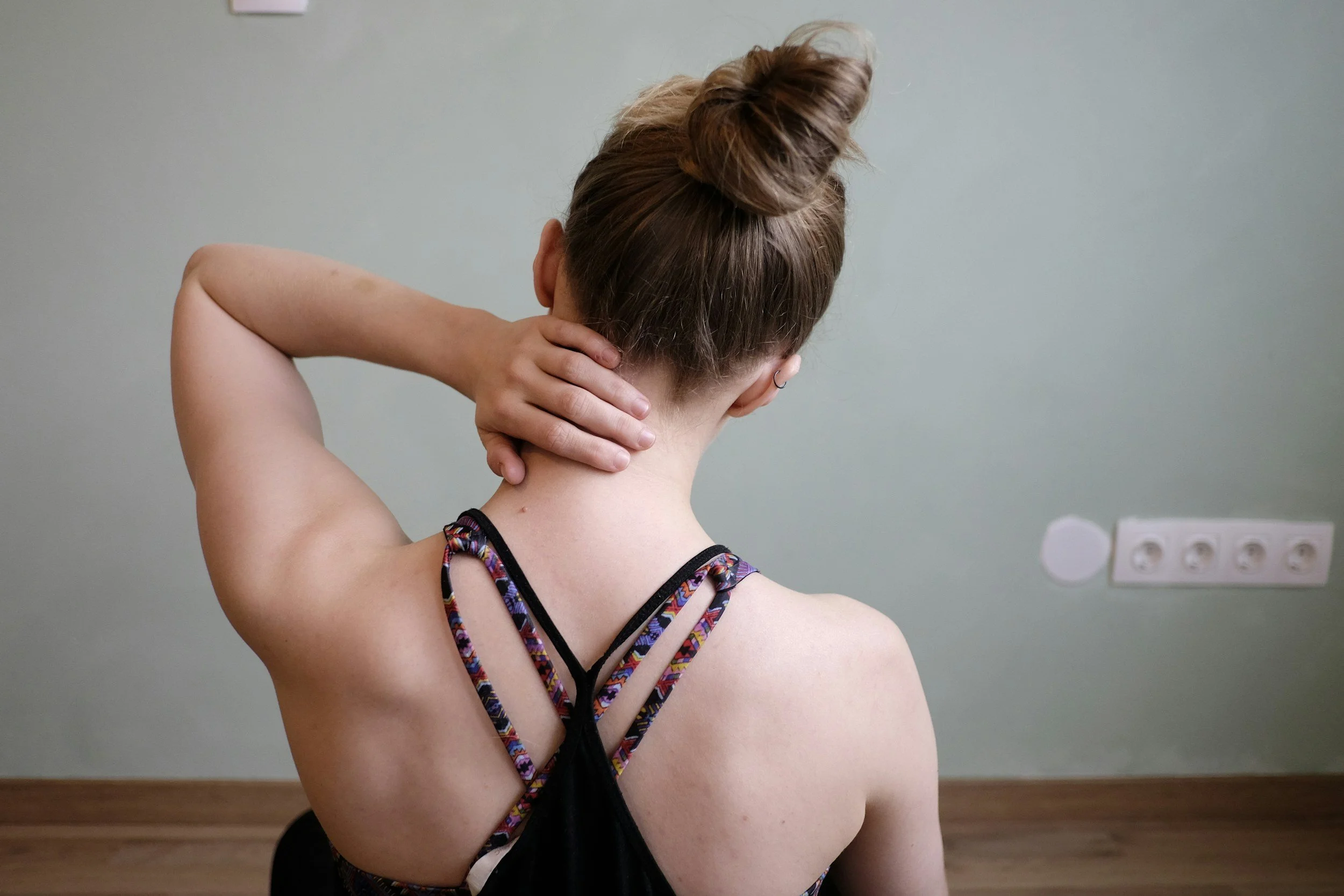
What Actually Changes in the Body After 40?
There are some natural physical changes that can become more noticeable as we move towards our 40s and beyond.
This is not to say that there are no inevitable consequences to aging, we can all understand that Novak Djokovic, at 39 years old will find it harder to win a major tennis tournament than when he was in his late-twenties, no matter how well he trains and prepares,
Muscle mass and therefore strength can gradually decline, particularly if we’re not doing activities that help maintain them.
Similarly, other tissues in the body such as connective tissues and bones can be very much affected as we go through life; we can lose bone density (osteopenia/osteoporosis) and become stiff in our joints.
Eyesight can be affected - we might find that we need to start wearing glasses or change to a different prescription.
For women, hormonal changes during perimenopause and menopause also have a big influence on many aspects of physical health, including muscles, bone-density, sleep and how the body feels and recovers.
You might also find that you need a little more recovery time after strenuous exercise than you once did.
But these are changes to understand and work with - they don’t automatically mean that you will become weak, stiff, unstable or unable to do the things you enjoy.
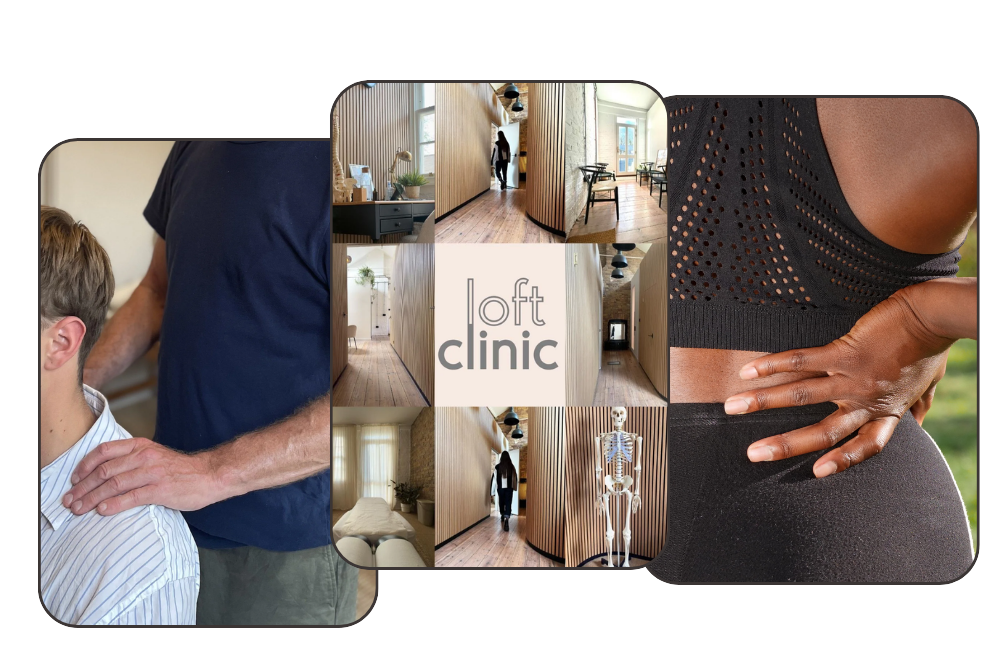
What Are We Too Quick to Blame on Ageing?
This is where things become more complicated.
Persistent back pain, neck pain, joint stiffness, recurring muscular tension or reduced mobility can become labelled as signs of getting older without considering what else might be contributing.
It’s important in life to listen to our bodies and perhaps the most important aspect of this is not to ignore pain.
At whatever age, if our body is in pain, it means that something is not functioning properly and needs to be addressed.
Perhaps you’ve become less active because work and family life are busy. You may spend long periods sitting at a desk, have an old injury that has changed how you move, or be sleeping poorly.
Stress, inactivity, hormonal changes, reduced strength, repetitive movements and our everyday habits can all affect how our bodies feel.
Often, there isn’t one single explanation.
This is central to the way we work at The Loft Clinic. Rather than looking at a symptom in isolation, our practitioners consider the bigger picture - including movement, posture, strength, lifestyle and overall wellbeing.
Age may well be part of the picture , but it won’t be the whole picture.
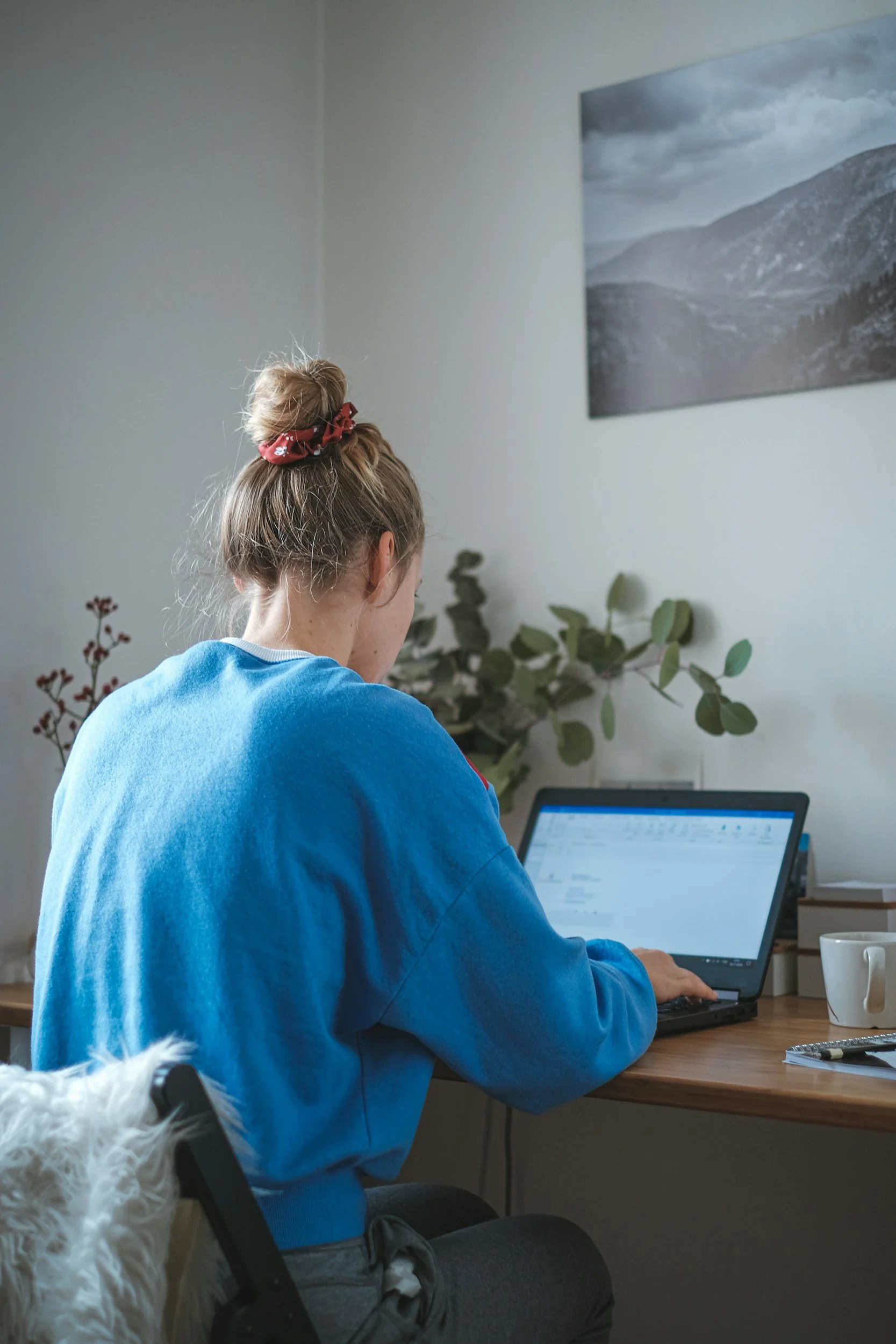
This kind of posture does not help your back!
Are You Accepting a ‘New Normal’ Too Quickly?
One of the risks of assuming something is “just age” is that we gradually start adapting our lives around it.
You stop running because your knees have started bothering you. You avoid lifting heavier things because you’re worried about your back. Perhaps you move less because everything feels a little stiffer than it once did.
Over time, doing less can itself contribute to reduced strength and mobility.
This doesn’t mean you should push through pain or expect your body at 45, 55 or 65 to feel exactly as it did at 25.
It simply means that if something has changed, it can be worth understanding why.
Supporting Your Body After 40
Staying healthy after 40 isn’t about trying to stop the ageing process. It’s about giving your body what it needs as it changes.
Regular movement and strength-based exercise can help maintain muscle, bone health and mobility. Sleep, nutrition, recovery and managing stress also remain important.
And if something doesn’t feel right, there are different ways of exploring what may be contributing.
At The Loft Clinic in Queen’s Park, our multidisciplinary team allows us to approach health from different perspectives. Ben Bridger and Dr Razvan Patulea offer chiropractic care, with Razvan having a particular interest in postural correction, rehabilitation and strength.
Our osteopaths Antonia Adeniji and Yasmin Würjes combine hands-on treatment with approaches that may include movement, exercise and lifestyle guidance. Yasmin also has a particular interest in functional nutrition and stress management.
For women navigating perimenopause, menopause or other changes in midlife, Antonia’s additional training in Women’s Health also means that concerns such as pelvic floor function can be considered as part of the wider picture.
The right approach will depend on you, your symptoms and what you want to be able to do.
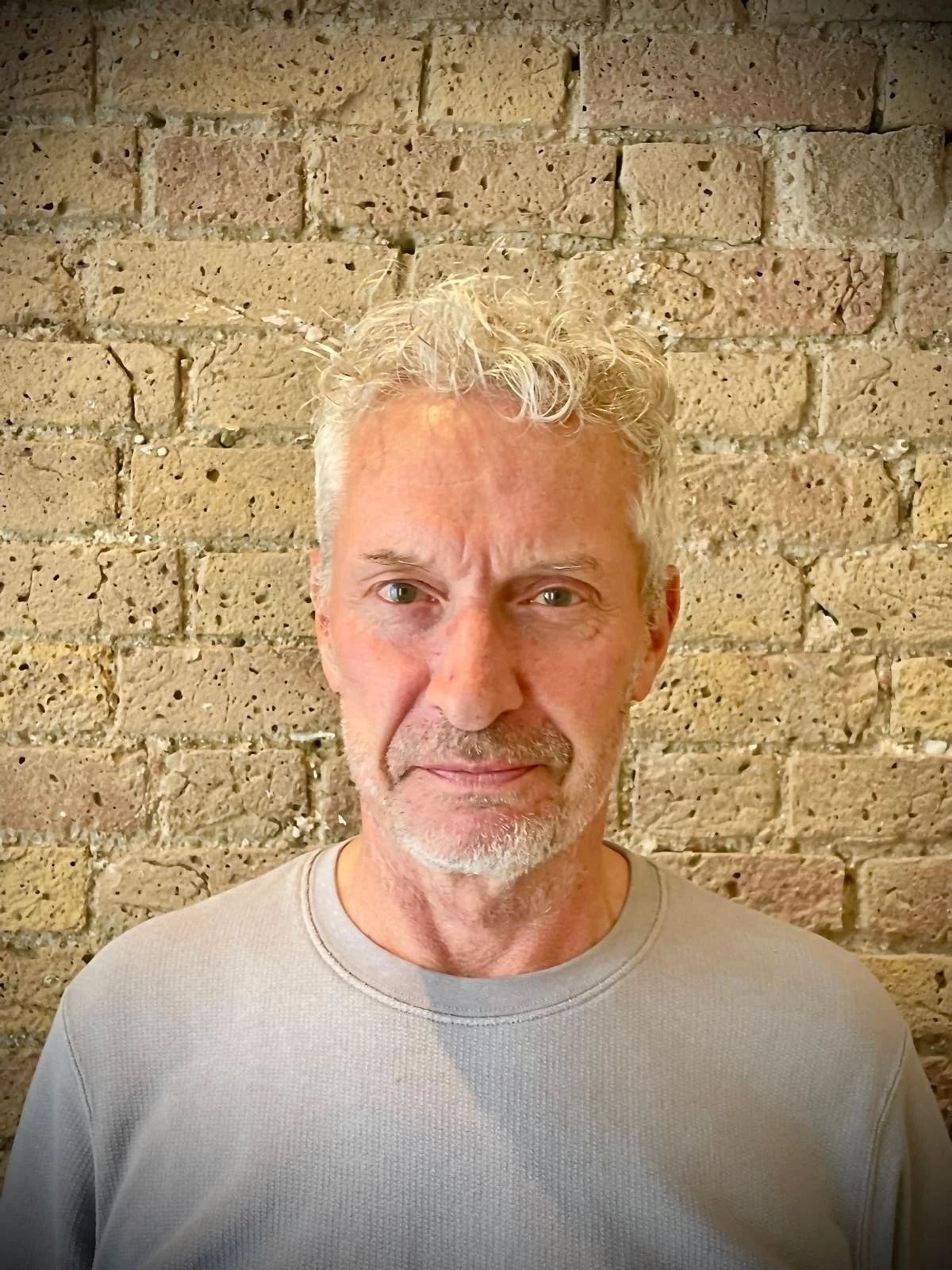
Ben
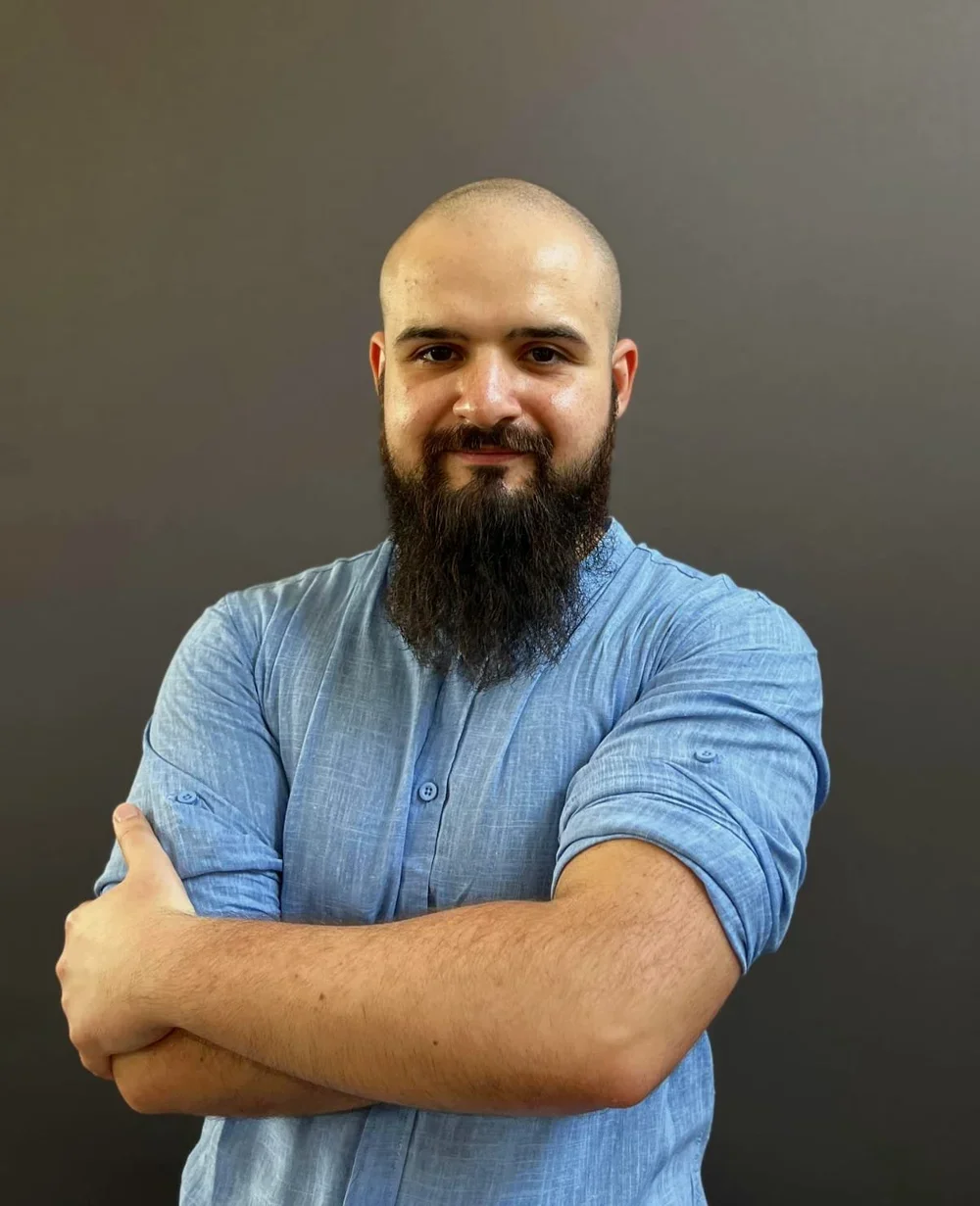
Razvan
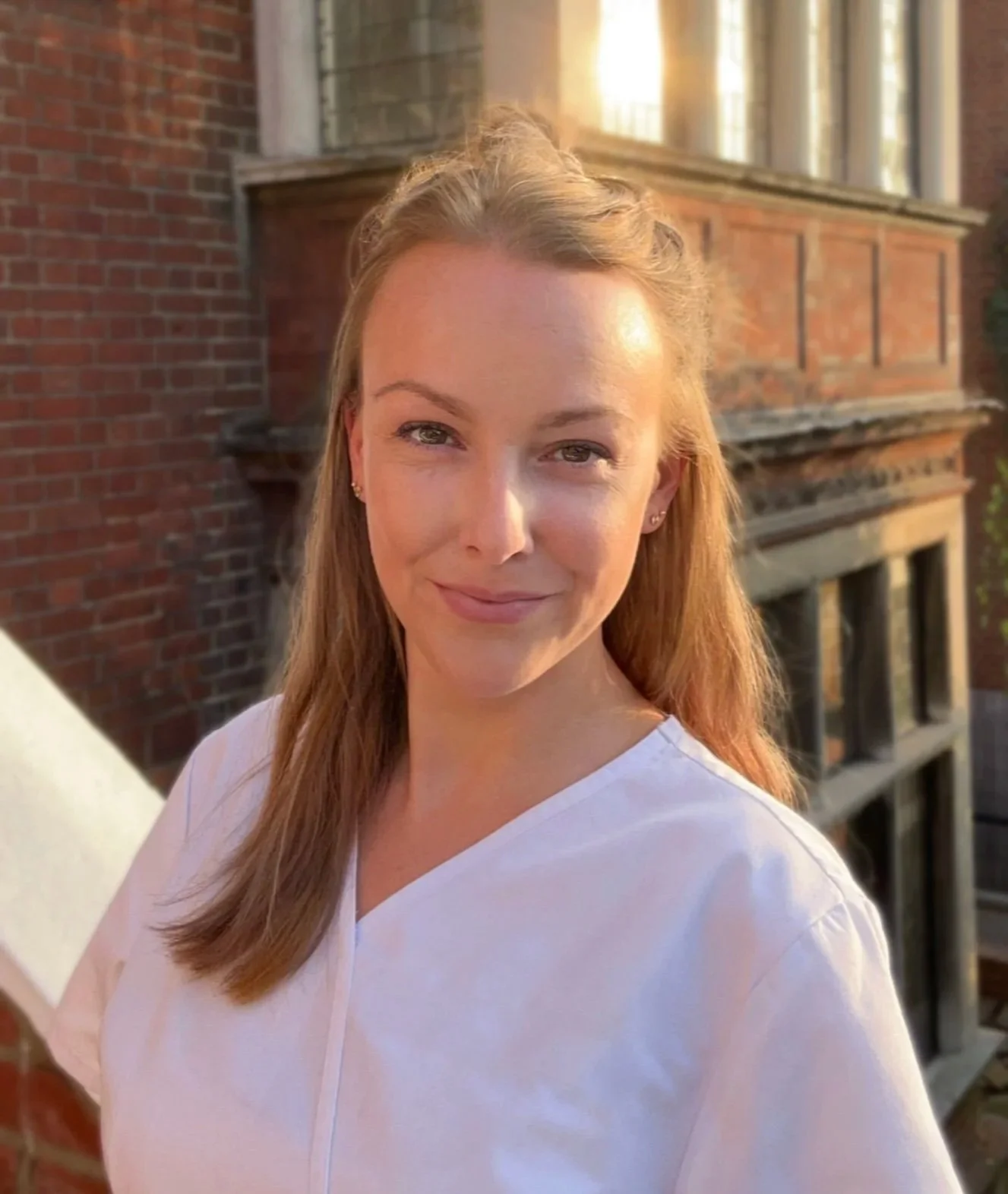
Yasmin
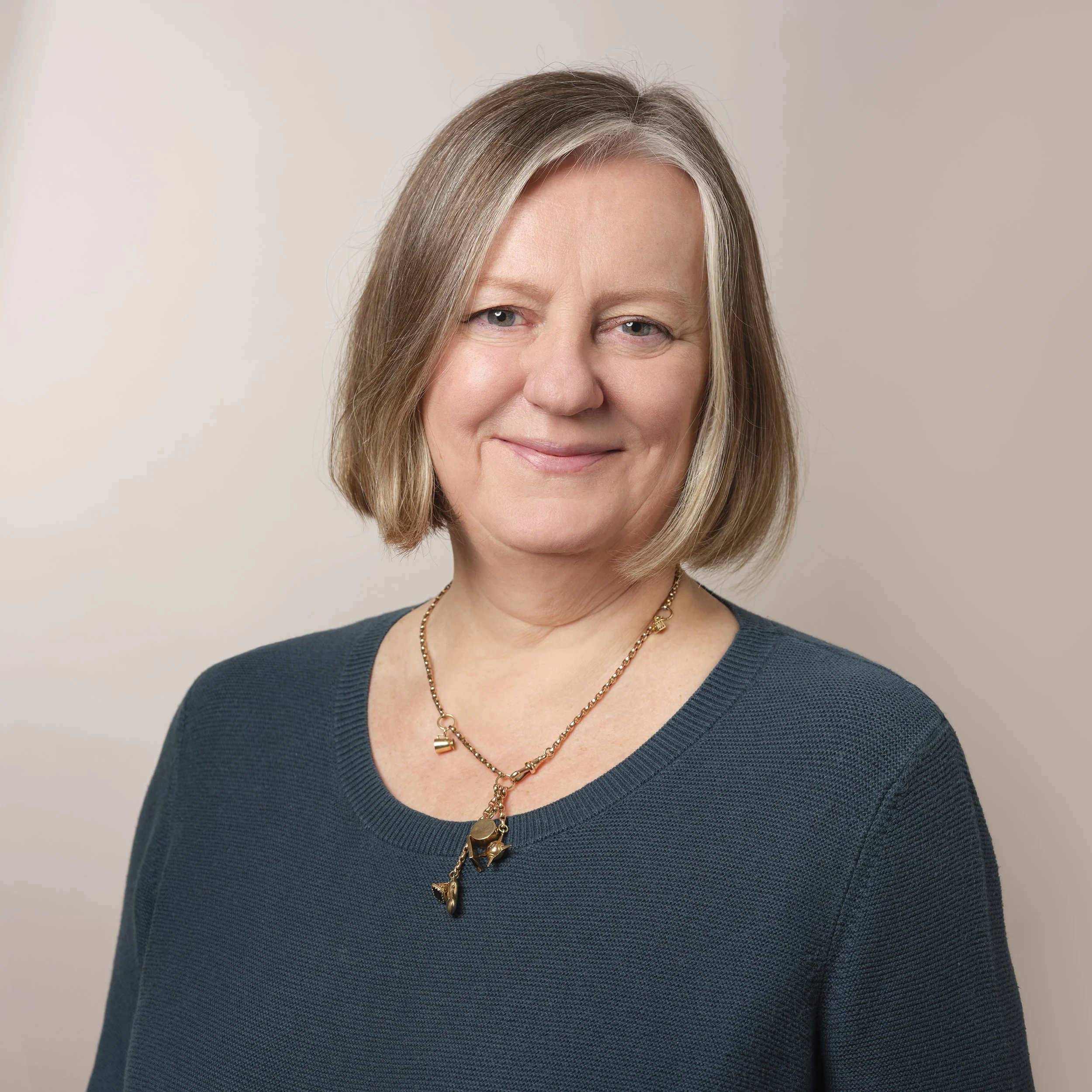
Antonia
Getting Older Doesn’t Mean Giving Up on Feeling Good
Your body will continue to change throughout your life.
Rather than comparing yourself with a younger version of you, it can be more helpful to ask:
What does my body need now?
That reflects something we believe strongly at The Loft Clinic: health is about more than the absence of pain. It’s about supporting your physical, emotional and mental wellbeing so that you can continue feeling comfortable, capable and confident in your body.
If pain, stiffness or reduced mobility have gradually become things you’ve accepted as “just getting older”, our team can help you explore what else may be contributing and what kind of support might be appropriate.
Ageing is inevitable. Feeling limited by your body isn’t always.