
Women’s Health & Pelvic Floor Support with MAPLe
A whole-body approach to pelvic health and recovery.
Women’s health concerns are often far more common than many people realise, yet they are frequently overlooked, minimised, or accepted as simply “part of life” after childbirth, during menopause, or with ageing.
At our practice, we take a compassionate, evidence-informed, whole-body approach to pelvic health and wellbeing.
Alongside hands-on osteopathic care, movement guidance, and lifestyle support, we are pleased to offer assessment and rehabilitation support using the MAPLe device.
This service is provided by an experienced osteopath with additional postgraduate training in Women’s Health, combining clinical expertise with a personalised and respectful approach to care.
What is the MAPLe device?
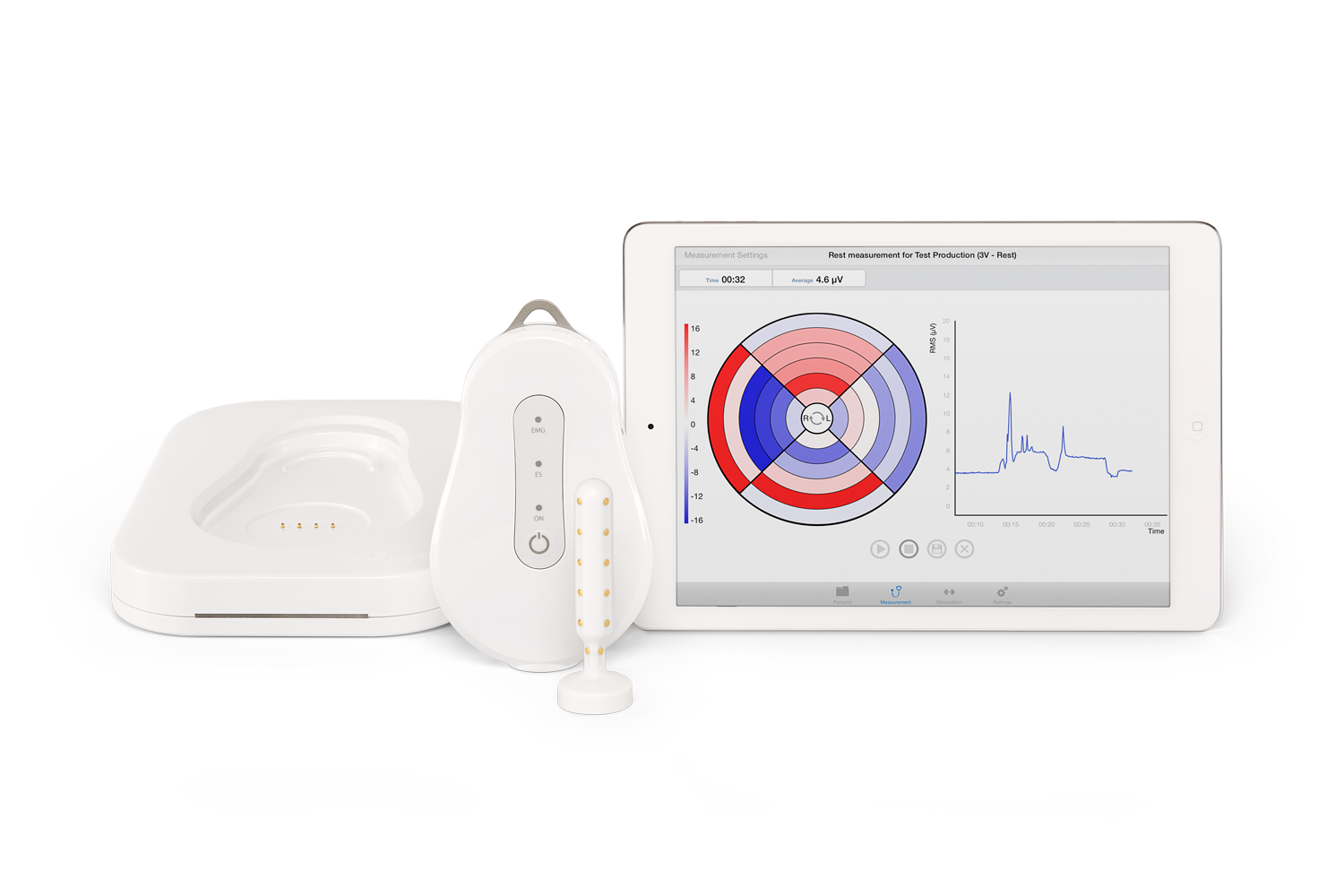
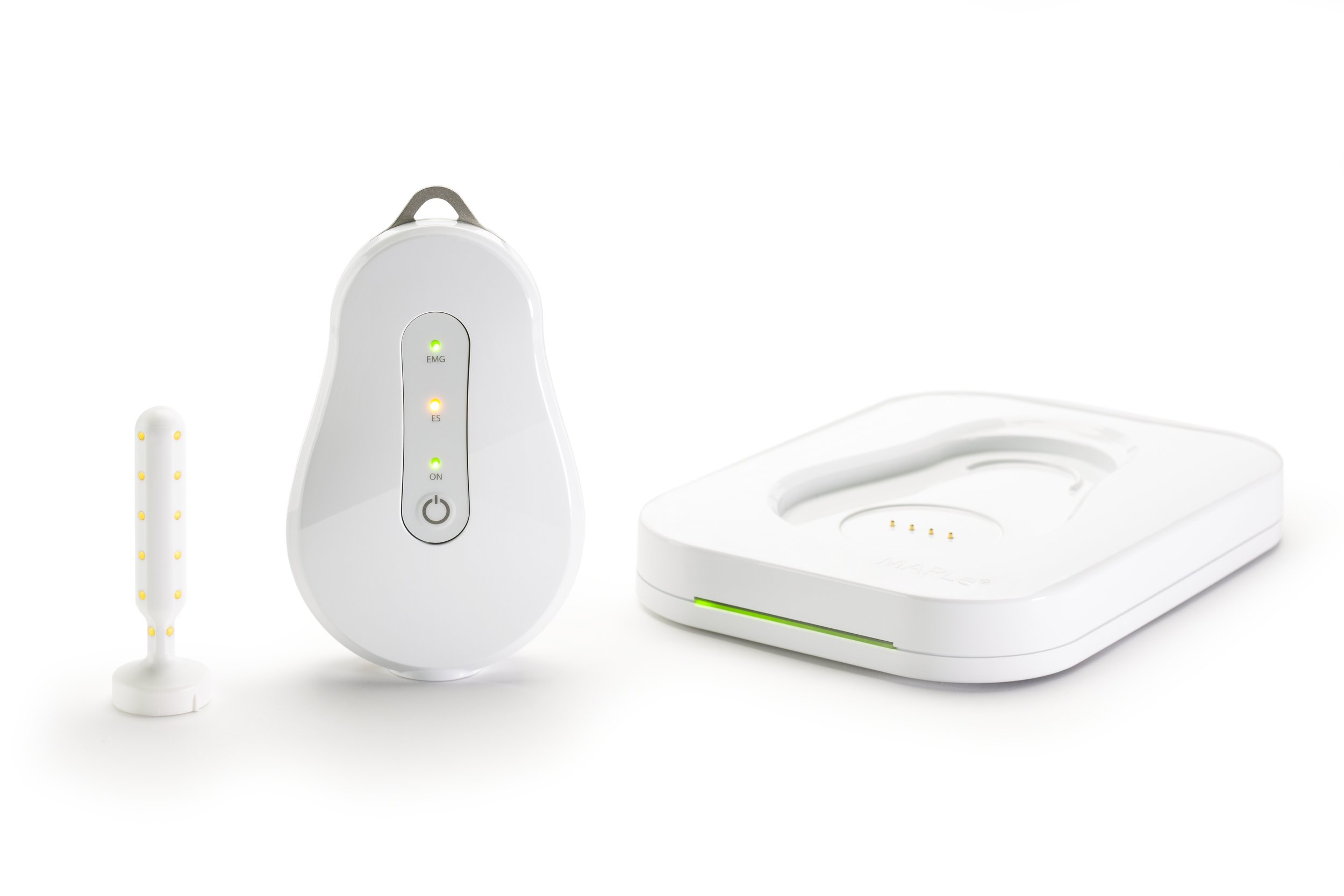
MAPLe (Multiple Array Probe Leiden) is an advanced pelvic floor assessment and biofeedback device designed to help evaluate and retrain the pelvic floor muscles.
The pelvic floor is a group of muscles that support the bladder, bowel, and reproductive organs. These muscles also play an important role in:
Bladder and bowel control
Core stability and posture
Recovery after childbirth
Sexual function
Pelvic organ support
Breathing and pressure management
When the pelvic floor muscles become weak, overactive, poorly coordinated, or injured, a range of symptoms can develop.
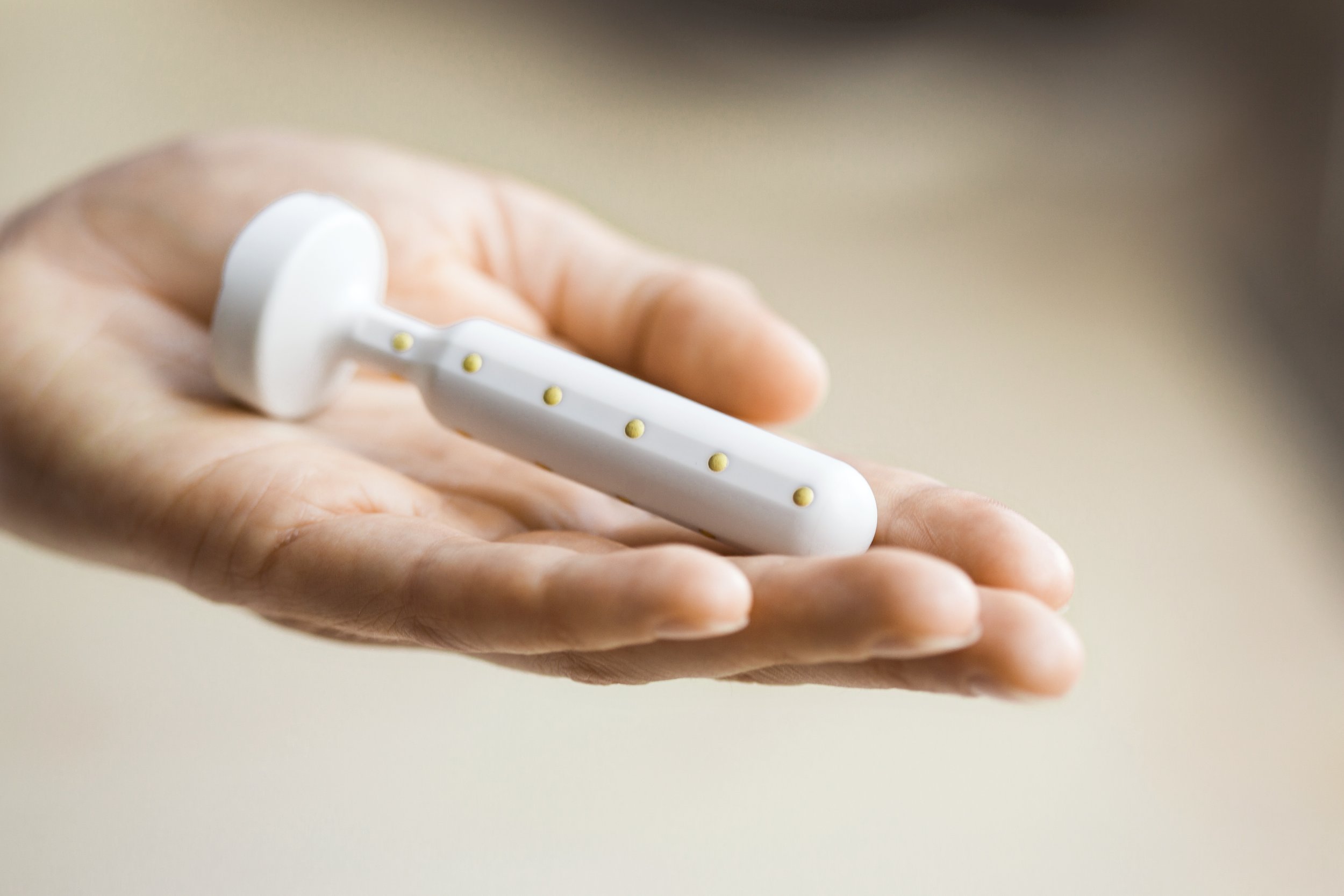
The MAPLe system uses a specially designed internal probe with multiple sensors to provide highly detailed information about how the pelvic floor muscles are functioning. This allows us to identify areas of weakness, tension, imbalance, or poor coordination more precisely than with exercise advice alone.
The device also provides real-time biofeedback, helping you learn how to correctly activate and relax your pelvic floor muscles.


Who MAPLe benefits
MAPLe may be beneficial if you're experiencing pelvic health symptoms at any stage of life, whether following pregnancy and birth or as a result of natural changes over time. Many people continue to live with symptoms for months or even years without realising that targeted pelvic floor assessment and rehabilitation could make a meaningful difference. Whatever your stage of life, MAPLe provides a detailed insight into your pelvic floor function, helping to guide personalised treatment and support your journey towards improved pelvic health.
Common Signs & Symptoms
You may be looking for support with:
Urinary leakage or stress incontinence
Urgency or frequent urination
Difficulty fully emptying your bladder
Pelvic heaviness or pressure
Symptoms of pelvic organ prolapse
Pelvic pain
Pain during intimacy
Lower back or pelvic instability linked to pelvic floor dysfunction
Constipation or difficulty with bowel control
Ongoing core weakness after pregnancy
Difficulty identifying or engaging your pelvic floor muscles
Persistent symptoms despite trying pelvic floor exercises independently
It often surprises people to learn that symptoms aren’t always linked to weakness alone. They can also be related to overactivity, tension, or poor coordination within the pelvic floor muscles.
Is MAPLe Right for You?
If you are experiencing pelvic floor symptoms, recovering from childbirth, or would like support with women’s health concerns in a holistic clinical environment, we would be happy to discuss whether MAPLe assessment and rehabilitation may be appropriate for you.
MAPLe Treatment Packages
Packages are designed to support progressive pelvic floor rehabilitation and provide continuity of care. Longer programmes offer greater value and are recommended for persistent pelvic floor symptoms and more complex presentations.
The Initial Foundation Programme provides the starting point for your pelvic floor rehabilitation journey using the MAPLe system.
For many, the Initial Foundation Program will be sufficient for them to improve their pelvic floor to a point of good foundational function, and they can continue building on this independently. This is the most likely outcome for a recent uncomplicated delivery where there is a need to tune back into the pelvic floor and learn what it feels like to activate it effectively.
Our continued care program is always an option for further sessions.
Before booking your treatment, please schedule a FREE 20-minute Discovery Call using the button below. This gives us the opportunity to discuss your needs, answer any questions you may have, and recommend the treatment package that's right for you.
Please note: our treatments are only available for people aged 18+
-
You will be assigned your own probe which is logged into the system and is securely allocated to you individually for hygiene.
If you have had a Mummy MOT prior to moving to the MAPLe, then you will have already had an in depth consultation and pelvic assessment. The initial MAPLe consultation will therefore include a detailed muscle activity assessment using the MAPLe system which uses electromyographic technology to assess pelvic floor function. Treatment is then electrical stimulation to normalise muscle tone, and exercises to integrate the change. Osteopathic treatment will be included.
For those who have not had a Mummy MOT, the initial MAPLe consultation will include a detailed case history, a digital examination and an electromyographic assessment of the pelvic floor. You will receive a detailed breakdown of the findings, initial treatment guidance and rehabilitation strategies, and osteopathy may be included if indicated.
-
The Initial Foundation Program includes:
Initial consultation and assessment (90 mins)
MAPLe probe (£120 value)
2 follow-up rehabilitation sessions (60 mins each)
Personalised pelvic floor rehabilitation plan
Osteopathic treatment if indicated
Exercise and wellbeing guidance
£440
-
Pelvic floor rehabilitation is most effective when treatment is progressive and consistent - our programs can be used flexibly, and after initial stable improvement we may decide to space them out as you become more confident and proficient in your own self-management. Alternatively, you may need to have more in closer succession to get you off the starting blocks. There is no judgement, just encouragement and education along with some coaching to help build the habits you need to make the optimal change for your investment.
Single Additional Session £130
Basic Follow Up Program – 3 sessions £340 (usually £390 – saving of £40)
Restore Program — 5 Sessions £590 (usually £650 - saving of £60)
Recovery and Rebuild Program – 8 sessions £920 (usually £1,040 – saving of £120)
Your MAPLe assessment explained
During an appointment with Antonia, a detailed health history and discussion of your symptoms will take place first.
If appropriate and with your consent, the MAPLe assessment may then be performed in a comfortable and private clinical setting.
The assessment provides information about:
Muscle strength
Endurance
Coordination
Muscle symmetry
Areas of overactivity or tension
Ability to relax the pelvic floor
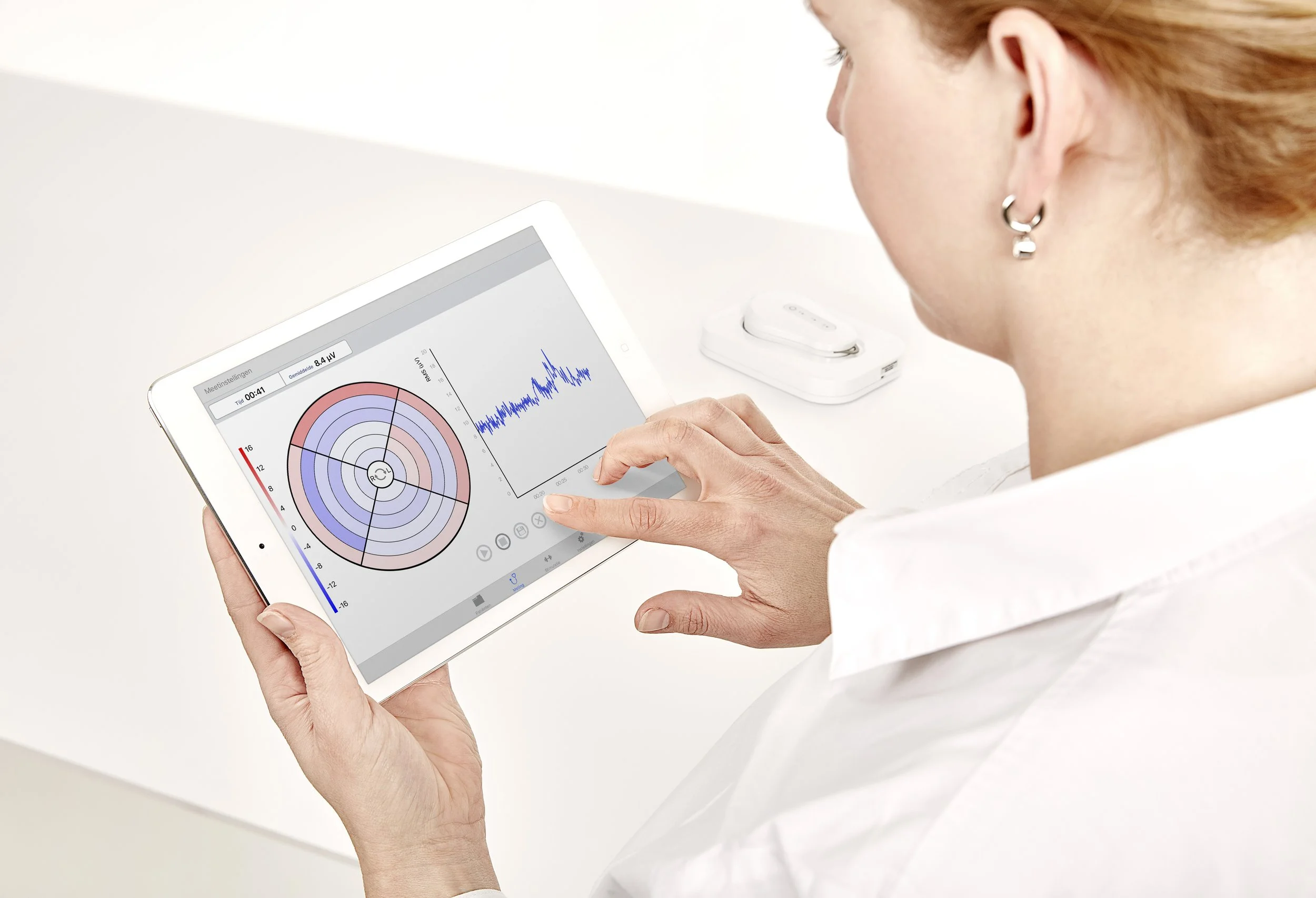
The real-time feedback displayed on screen allows you to better understand how your pelvic floor is functioning and helps guide tailored rehabilitation exercises.
Because every woman’s body and symptoms are different, treatment plans are always individualised.

A Holistic Osteopathic Perspective
Pelvic floor health does not exist in isolation.
As osteopaths, we consider how posture, breathing patterns, abdominal function, scar tissue, movement habits, stress, hormonal changes, and musculoskeletal balance may all influence pelvic health.
Your care may therefore include:
Osteopathic treatment
Pelvic floor rehabilitation
Breathing and pressure management strategies
Postural and movement assessment
Core rehabilitation guidance
Scar tissue support
Lifestyle and wellbeing advice
Education to improve body awareness and confidence
Our focus is not only symptom management, but helping you feel stronger, more comfortable, and more connected to your body.

What to expect
We understand that discussing pelvic health symptoms can feel sensitive.
Appointments are conducted with professionalism, discretion, and respect at all times. You will have the opportunity to ask questions, discuss concerns, and make informed decisions about your care.
There is never any obligation to proceed with internal assessment or treatment.
Meet your MAPLe Practitioner: Antonia Adeniji
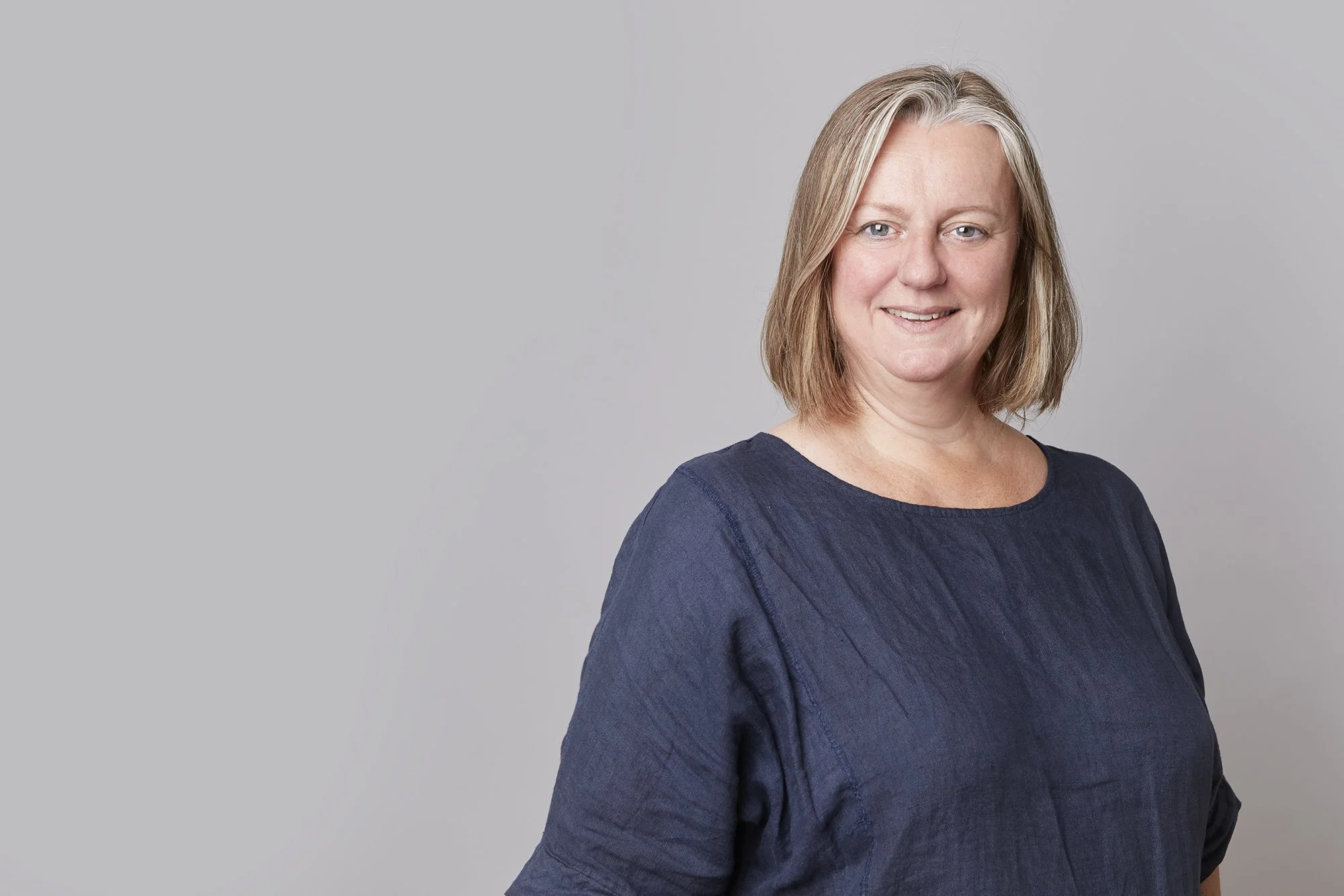

Meet Antonia
Hi, I'm Antonia. I began my clinical practice in 1996 after graduating with a BSc (Hons) in Osteopathic Medicine. Over the past three decades, I have continued to expand my knowledge through extensive postgraduate training, including an MSc in Public Health Nutrition and Foundational Training in Functional Nutrition. This integrated approach allows me to look beyond individual symptoms and support women's health from a truly holistic perspective, particularly in pregnancy, postnatal recovery, pelvic health, and Mummy MOT® assessments.
Alongside my clinical work, I have spent more than 20 years teaching Osteopathy and Nutrition, sharing my expertise with the next generation of healthcare professionals while remaining committed to evidence-based, compassionate care.
I am passionate about supporting women through every stage of pregnancy, recovery, and beyond. My aim is to help you better understand your body, navigate the physical and emotional changes that accompany motherhood, and feel confident, supported, and empowered throughout your journey.
Every patient's experience is unique, which is why every treatment begins with a comprehensive consultation and assessment. By taking the time to understand your medical history, lifestyle, symptoms, and personal goals, I am able to create a bespoke treatment plan tailored specifically to your needs—ensuring you receive the most appropriate care, guidance, and ongoing support for your individual journey.
FAQS:
-
MAPLe technology can be used across a range of age groups; however, this service is currently available to adults aged 18 and over.
-
No. While MAPLe can be an excellent tool for postnatal recovery, pelvic floor dysfunction can affect people at many different stages of life.
You may benefit from assessment and rehabilitation if you're experiencing symptoms such as bladder leakage, pelvic heaviness, pelvic pain, prolapse symptoms, constipation, lower back or pelvic instability, or difficulty engaging your pelvic floor muscles. Hormonal changes, menopause, exercise, surgery, and everyday life can all influence pelvic floor function.
MAPLe helps provide a clearer understanding of how your pelvic floor is working, allowing treatment and rehabilitation to be tailored to your individual needs and goals.
-
We encourage you to do your pelvic floor exercises wherever you are in your recovery journey. However, many people aren't sure whether they are correctly activating or relaxing their pelvic floor muscles, and sometimes symptoms persist despite their best efforts.
MAPLe provides detailed information about muscle strength, coordination, balance, and tension patterns, allowing rehabilitation to be tailored specifically to your needs. This can help identify issues such as weakness, overactivity, poor coordination, or asymmetry that standard pelvic floor exercises alone may not address.
The real-time feedback also helps you better understand how your pelvic floor is functioning, giving you greater confidence that you are working on the right things for your body and recovery.
-
While every effort is made to ensure your assessment and treatment are as comfortable as possible, it is important to recognise that, as with many rehabilitation programmes, some people may experience a temporary increase in symptoms as the body begins to adapt. This is not uncommon, particularly in more complex or longstanding cases, or during pelvic floor rehabilitation where changes in muscle function and tone are taking place.
Your comfort and confidence are always the priority. Treatment is tailored to your individual needs and progressed at a pace that feels right for you, with open communication at every stage. We work together to monitor your response to treatment, making any necessary adjustments to ensure you feel supported throughout your rehabilitation. You will never be encouraged to exceed your comfort level, and every step is taken to minimise discomfort while achieving the best possible outcome.