Understanding Sciatica: Symptoms, Causes and Treatment
Sciatica is one of those words people often use to describe any kind of back or leg pain, but true sciatica is a very specific condition involving irritation or compression of the sciatic nerve. It can range from a mild ache to sharp, burning pain that travels from the lower back all the way down the leg.
We regularly support people struggling with sciatica symptoms that are affecting everyday life, work, sleep and mobility. The good news is that, in many cases, sciatica responds very well to the right treatment and support.
In this blog, we’ll explain what sciatica actually is, common symptoms and causes, and the treatments that may help you recover comfortably and safely.
What is sciatica?
Sciatica refers to pain caused by irritation or compression of the sciatic nerve, which is the largest nerve in the body. The sciatic nerve begins in the lower back, travels through the buttocks and runs down each leg.
When this nerve becomes compressed or irritated, it can cause pain and other symptoms anywhere along that pathway.
Sciatica is not a diagnosis in itself, but rather a symptom of an underlying issue affecting the lower spine or surrounding tissues.
Common symptoms of sciatica
Sciatica symptoms can vary from person to person. Some people experience occasional discomfort, while others may struggle with severe pain that makes standing, walking or sitting difficult.
Common symptoms include:
Pain travelling through the buttock and down the leg
Burning or shooting pain in the leg
Numbness in the leg or foot
Muscle weakness in the affected leg
Pain that worsens after sitting for long periods
Discomfort when bending, twisting or coughing
Typically, sciatica affects one side of the body rather than both.
What causes sciatica?
Sciatica occurs when the sciatic nerve becomes irritated, inflamed or compressed. There are several possible causes.
Herniated or slipped disc: The discs between the vertebrae act like cushions, but if one bulges or ruptures, it can press on the nearby nerve.
Spinal degeneration: As we age, the spine naturally changes over time. Arthritis, disc degeneration and narrowing of the spinal canal can all contribute to pressure on the sciatic nerve.
Muscle tension and tightness:Tight muscles in the lower back or glutes, particularly the piriformis muscle, can sometimes irritate the sciatic nerve.
Pregnancy: Pregnancy can place additional strain on the lower back and pelvis, which may contribute to sciatic symptoms.
Poor posture and prolonged sitting: Lng periods of sitting, poor workstation setup and lack of movement can all increase strain on the lower back and surrounding muscles.
Injury or trauma: Falls, sports injuries or lifting something awkwardly can sometimes trigger sciatica symptoms.
How to know if you need professional intervention
Mild sciatica may improve within a few weeks, but persistent or worsening symptoms should always be assessed professionally.
You should seek advice if:
Pain is severe or worsening
Symptoms have lasted more than a few weeks
You are struggling to walk or move normally
Numbness or weakness is increasing
Pain is affecting sleep or daily activities
Symptoms keep returning
Or if you are concerned about something else you’re experiencing. It’s always best to get it looked at by a qualified professional (not a social media influencer!)
How can chiropractic care help sciatica?
At The Loft Clinic, treatment begins with a thorough assessment to understand the cause of your symptoms and how they are affecting your daily life.
Chiropractic care aims to improve movement, reduce irritation around the nerve and support the body’s natural recovery process.
Depending on the individual, treatment may include:
Chiropractic adjustments
Mobility and stretching advice
Postural guidance
Exercise rehabilitation
Lifestyle recommendations
With professional help, you can addres contributing factors and reduce the likelihood of ongoing flare-ups.
Exercises and movement for sciatica
You may think that you should rest when experiencing sciatica, but prolonged inactivity can sometimes make symptoms worse. Some gentle movement can be beneficial, such as walking, light stretching and targeted exercises may help improve mobility and reduce stiffness.
But please note: exercises should always be appropriate for the underlying cause of the sciatica. What helps one person may aggravate symptoms for another, which is why assessment by a qualified professional is important.
Can sciatica go away on its own?
Some cases do improve natuallyover time, particularly when symptoms are mild. But, recurring or persistent sciatica often indicates an underlying issue that may benefit from treatment. Ignoring ongoing symptoms can sometimes lead to worsening pain, reduced mobility and even compensation patterns elsewhere in the body.
Early assessment and personalised treatment may help support faster recovery and prevent symptoms becoming more chronic.
Preventing future sciatica flare-ups
Not all cases of sciatica can be prevented, however there are several ways to help reduce strain on the lower back and support spinal health:
Strengthen core and glute muscles
Avoid sitting for prolonged periods
Improve posture at work and home
Lift heavy items carefully
Stretch regularly
Remember: small daily habits often make a significant difference over time.
Supporting your recovery
Sciatica can be frustrating, especially when it begins interfering with work, exercise, sleep or everyday routines. The important thing to remember is that help is available, and many people recover well with the right care and guidance.
At The Loft Clinic, we take a personalised approach to treatment, helping patients understand what may be causing their symptoms and supporting them with practical, evidence-informed care.
If you are experiencing symptoms of sciatica and would like professional advice, our team is here to help.
You can book an enquiry with The Loft Clinic to talk things through and get a clearer picture of what’s happening in your body.
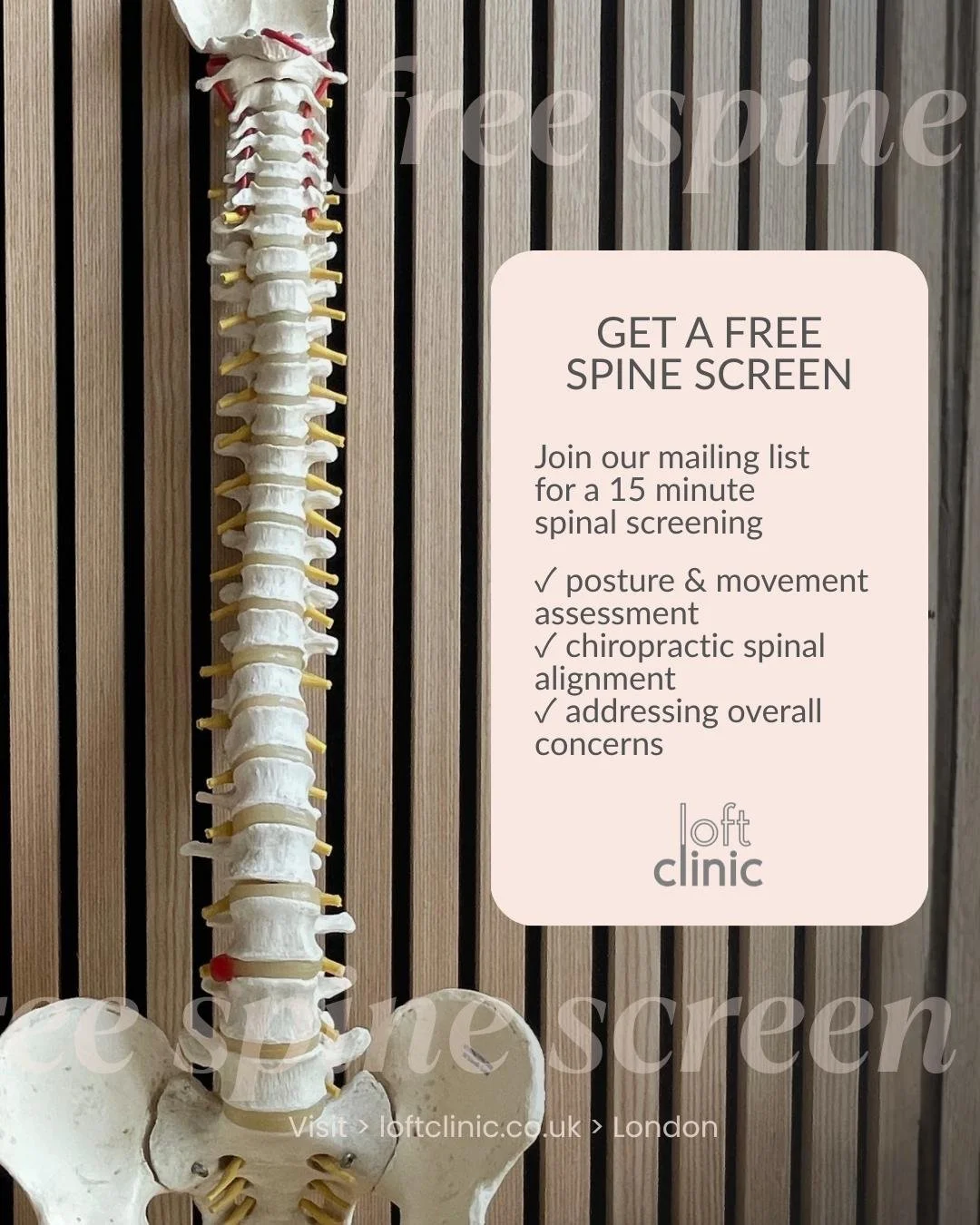
We’re also currently offering a free spine screen - simply use the code SPINE15 when booking.