How does emotional stress/trauma cause pain and discomfort in the body?
You might be surprised to learn that emotional stress and physical pain can be closely connected.
Or maybe not if you’ve experienced it yourself?
A stressful week at work leading to tension headaches.
A difficult life event leaving you exhausted, achy or physically drained?
Or perhaps you've noticed persistent neck, shoulder or back pain that seems to worsen during particularly challenging periods of life?
While pain is often linked to injury or physical strain, our emotional wellbeing can also have a significant influence on how our bodies feel.

In this blog…
we'll explore the connection between stress, trauma and physical discomfort, and explain why looking after both mind and body is important for long-term health.
The Mind-Body Connection
Our brains and bodies are constantly communicating with one another.
When we experience stress, whether it's a looming deadline, financial worries, relationship difficulties or a major life change, the body responds by activating its stress response system.
This response is designed to protect us. Hormones such as adrenaline and cortisol prepare the body to react quickly to perceived threats by increasing alertness, muscle tension and heart rate.
In short bursts, this response is completely normal and often helpful.
However, when stress becomes chronic or prolonged, the body can remain in a heightened state for longer than intended. Over time, this may contribute to tension, fatigue, discomfort and increased sensitivity to pain.
How can stress affect the body?
Emotional stress can influence the body in several ways.
One of the most common physical responses to stress is muscle tension.
Many people unknowingly tighten their shoulders, jaw, neck or lower back when feeling anxious or overwhelmed. When this tension persists over time, it can contribute to discomfort, stiffness and restricted movement.
Common stress-related symptoms include:
Neck and shoulder tension
Tension headaches
Jaw pain and teeth grinding
Lower back discomfort
General muscle aches
Stress can also affect how we breathe.
Some people develop shallow or rapid breathing patterns during stressful periods, which can contribute to feelings of tension, dizziness, chest tightness and fatigue.
Over time, inefficient breathing patterns may place additional strain on muscles throughout the neck, shoulders and upper back.
Research suggests that chronic stress may affect how the nervous system processes pain signals.
When the body remains under prolonged stress, it can become more sensitive to discomfort. This means that pain may feel more intense or persist for longer than expected, even after tissues have healed.
This does not mean the pain is "all in your head." The pain is very real, but stress can influence how the body experiences and responds to it.
What About Trauma?
Trauma can also have a lasting impact on physical health.
Trauma refers to experiences that overwhelm a person's ability to cope, such as accidents, serious illness, abuse, loss, significant life events or other distressing experiences.
Not everyone who experiences trauma will develop physical symptoms, but some people find that their bodies continue to hold patterns of tension, heightened alertness or protective responses long after the event has passed.
This may contribute to symptoms such as:
Persistent muscle tension
Chronic pain
Fatigue
Sleep difficulties
Headaches
Digestive disturbances
Increased sensitivity to stress
The relationship between trauma and physical symptoms is complex, and experiences vary greatly from person to person.
Why Physical Treatment Still Matters
Understanding the role of stress and trauma does not mean physical symptoms should be ignored or assumed to be purely emotional.
Pain should always be assessed properly by a qualified healthcare professional.
Many people experience a combination of physical and emotional contributing factors. For example, an existing back problem may become more painful during periods of stress, or prolonged muscle tension may contribute to ongoing discomfort.
A thorough assessment can help identify what may be contributing to symptoms and determine the most appropriate course of action.
How Chiropractic Care May Help
At The Loft Clinic, we recognise that every person is different.
Our approach begins with understanding your symptoms, lifestyle and overall health picture. Through assessment and personalised care, we aim to improve movement, reduce areas of tension and support physical function.
Depending on your individual needs, treatment may include:
Chiropractic adjustments
Mobility and stretching advice
Postural guidance
Exercise rehabilitation
Lifestyle recommendations
Many patients find that addressing physical tension and movement restrictions helps them feel more comfortable and supports their overall wellbeing.
Supporting Your Health Beyond Treatment
While professional treatment can be helpful, small daily habits can also make a meaningful difference.
These may include:
Regular movement and exercise
Prioritising sleep
Taking breaks throughout the day
Practising relaxation techniques
Spending time outdoors
Seeking emotional support when needed
Looking after both physical and emotional wellbeing can help create a stronger foundation for long-term health.
A Whole-Person Approach
Stress, trauma and physical pain are often more connected than we realise. While emotional experiences do not cause every ache or injury, they can influence how the body feels, functions and recovers.
If you're experiencing ongoing pain, stiffness or discomfort, it's important not to dismiss your symptoms. Understanding the factors that may be contributing to them is often the first step towards feeling better.
At The Loft Clinic, we take a personalised approach to care, helping patients understand their symptoms and supporting them with practical, evidence-informed treatment.
If you'd like advice about persistent pain or discomfort, our team is here to help. You can book an enquiry with The Loft Clinic to talk things through and get a clearer picture of what’s happening in your body.
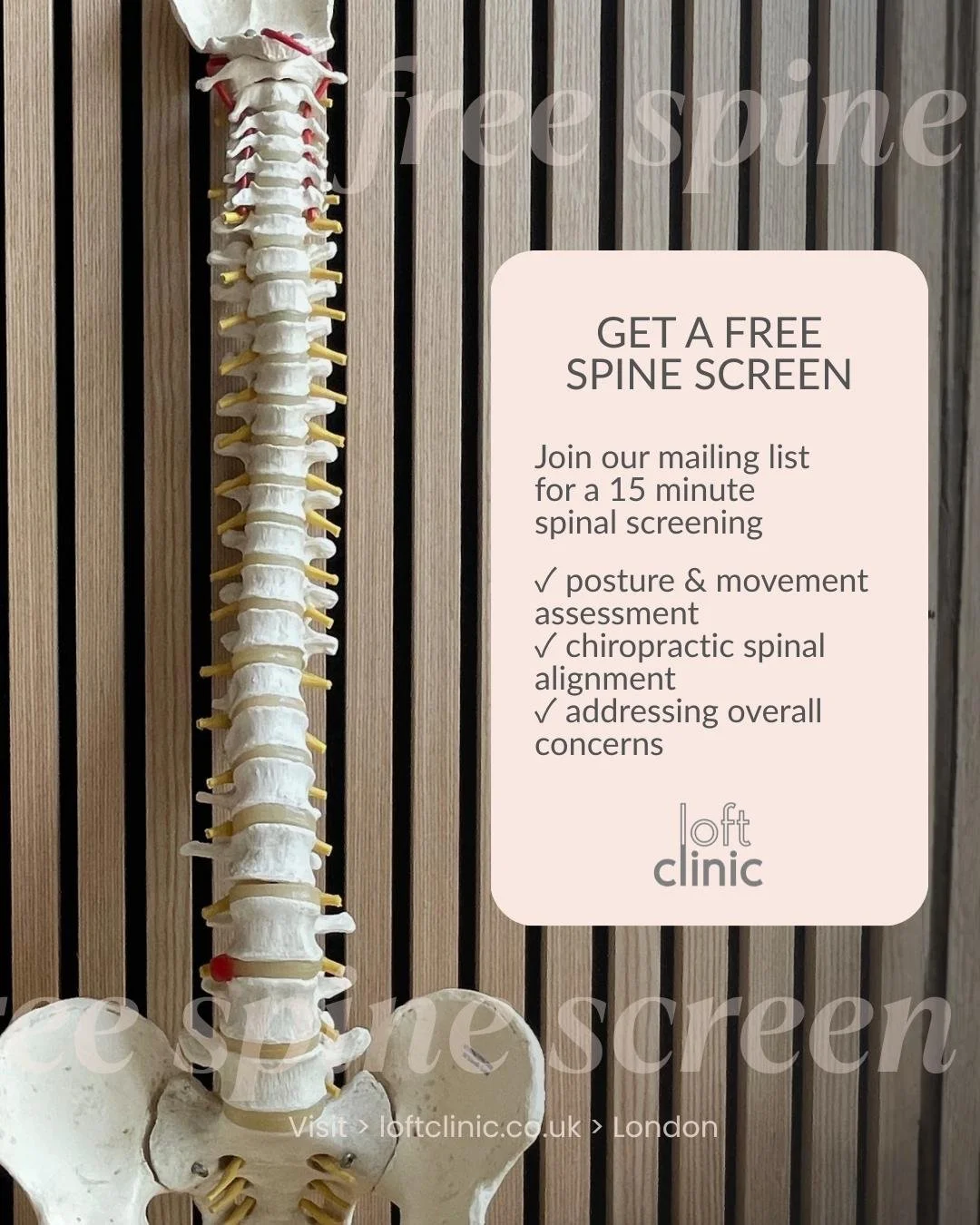
We’re also currently offering a free spine screen - simply use the code SPINE15 when booking.