
The Cost of Modern Posture
Many of us now spend large parts of the day sitting at desks, working on laptops, looking down at phones, driving, and relaxing in front of screens.
Recent UK data from Ofcom reflects just how embedded screen use has become in everyday life. Adults now spend an average of four and a half hours online each day, with most of that time spent on smartphones. This helps explain why our bodies are spending more time in similar seated and forward-focused positions than ever before.
Over time, this can create what we often describe clinically as ‘posture debt’: a gradual accumulation of strain that the body has to compensate for. And much like financial debt, the longer it builds, the more interest it gathers.

What do we mean by “modern posture”?
When we talk about modern posture, we’re not referring to one specific position or something you’re doing ‘wrong’. It’s a way of describing the physical effects of how we live today.
Modern posture is the accumulation of repeated patterns such as:
Prolonged sitting
Screens held at eye or chest level
Long periods without meaningful position change
Stress
Individually, none of these are harmful, but when repeated daily, they place sustained pressure through the spine, joints, muscles, and nervous system.
DID YOU KNOW? A phenomenon called the “Winter Hunch”, describes how our muscle guarding to protect ourselves from cold can create adverse effects on our posture.
Why this is different from previous generations
Our ancestors’ bodies experienced movement very differently.
Daily life naturally involved:
Walking more (rather than jumping in a car)
Sitting for shorter periods of time
Regular lifting
Little to no use of screens
Today, movement often has to be scheduled, rather than happening naturally throughout the day.
This shift matters because the human body is designed for variety, not stillness; it's not always about finding the best position to work in but to use a variety of positions!
What modern posture actually looks like
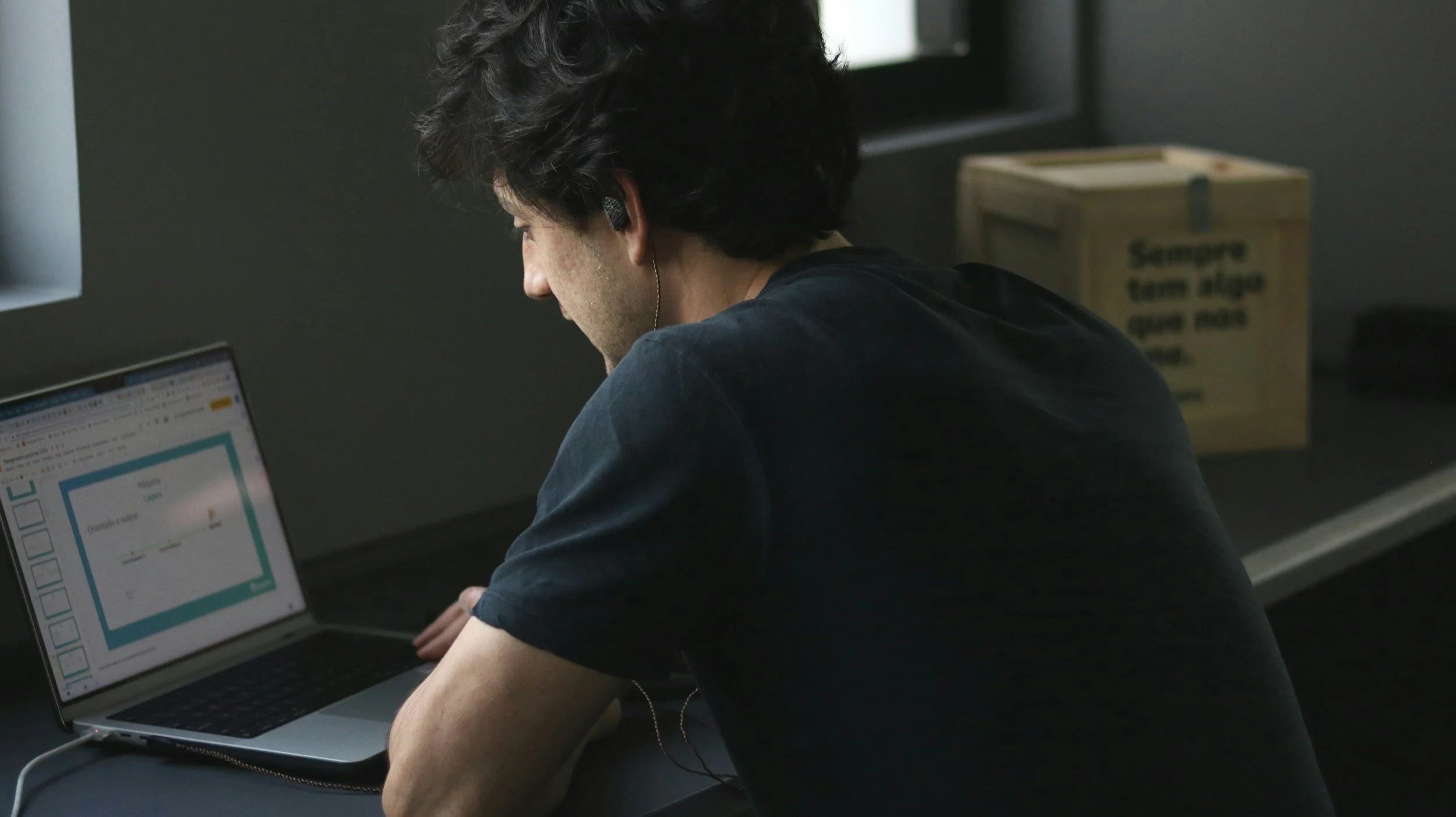
The modern culture we live in promotes the emergence of various postural patterns, such as too much sitting, which causes our head to move forward (known as anterior head carriage) and our shoulders to round in, typically in front of our sternum (breastbone/ chest). This makes the front of the body tight - shortening the pecs and the neck muscles.
When the shoulders stay forward, the back muscles can’t support the spine properly, which can lead to pain in the neck, shoulders, and lower back.
Our upper body parts, such as the trapezius and the levator scapulae muscles are also stretched, and that creates a lot of pain, and tension around the neck, the lower neck, and the shoulders.
If you imagine your head as a bowling ball sitting directly over the shoulders, the spine manages its weight efficiently, but for every inch the head moves forward, the load on the neck increases dramatically. Over time, the muscles, joints, and nervous system adapt to this load, because the body is trying to cope.
How modern posture shows up in everyday life
The effects of modern posture don’t always appear as sudden pain, they sometimes build gradually and show up in small, easily dismissed ways.
Many people notice things like:
Neck or shoulder tension that never fully settles
Stiffness in the lower back after sitting
Regular tension headaches
Jaw clenching or teeth grinding
These are early signals that the body is carrying more load than it can comfortably manage. We can adapt to these sensations without realising it, changing how we move, sit, or exercise to avoid discomfort. Over time, those compensations can create further strain elsewhere in the body. This is why postural issues rarely stay in one place.
What actually helps
Supporting modern posture is about regaining movement, mobility and balance.
3 things that tend to make the biggest difference:
Pulling shoulder blades down towards back pockets: How it helps: This opens up the chest, engages the lats (latissimus dorsi, big muscles in the back) and takes pressure off pecs by opening up chest
Pulling the chin in slightly: How it helps: with the chin slightly retracted, that stacks the vertebrae better in the upper back and in the neck and creates less pain and better movement.
Feel tall in the middle of the body: How it helps: you're not trying to tuck your tailbone under or arch your back. You're just trying to have a nice neutral position in the lower body and just be nice and tall and open in the upper body.
The idea here shouldn't be drastic change or excessive micromanagement, you should be gradually improving your posture throughout your life through better understanding of these inner workings and better understanding of your body's needs.
At The Loft Clinic, this is where integrated care becomes particularly valuable. Chiropractic supports spinal alignment and joint mobility, massage helps release muscular tension and fascial restriction, and osteopathy focuses on whole-body balance and compensation patterns.
Together, these approaches aim to support how the body functions as a whole, rather than focusing on one area in isolation.
Simple daily interventions that make a difference
Small changes, done consistently, are often the most effective. Some practical ways to support your body include:
Changing position regularly rather than holding “perfect posture”
Standing, stretching, or walking briefly every 45–60 minutes
Adjusting screen height to reduce forward head strain
Bringing awareness back to breathing, especially during stressful moments
The best kind of core strength is from holding good posture and is something we need to work on like any good exercise. And remember, good posture looks great too!!!
Supporting modern bodies
Modern posture isn’t a personal failure, it’s just a reflection of modern life.
Supporting modern bodies means restoring movement, not chasing perfect posture, and we’re here to help.
If you’re noticing early warning signs or long-standing discomfort, a postural assessment can help identify where strain is accumulating and how your body is compensating.
Addressing posture debt early prevents unnecessary “interest” building over time, and supports long-term mobility, comfort, and resilience.
If you’d like guidance on how your posture may be affecting your body, book a free spine screen at the Loft Clinic.