
Mental and Physical Health Through Winter: Movement and Exercise as Medicine
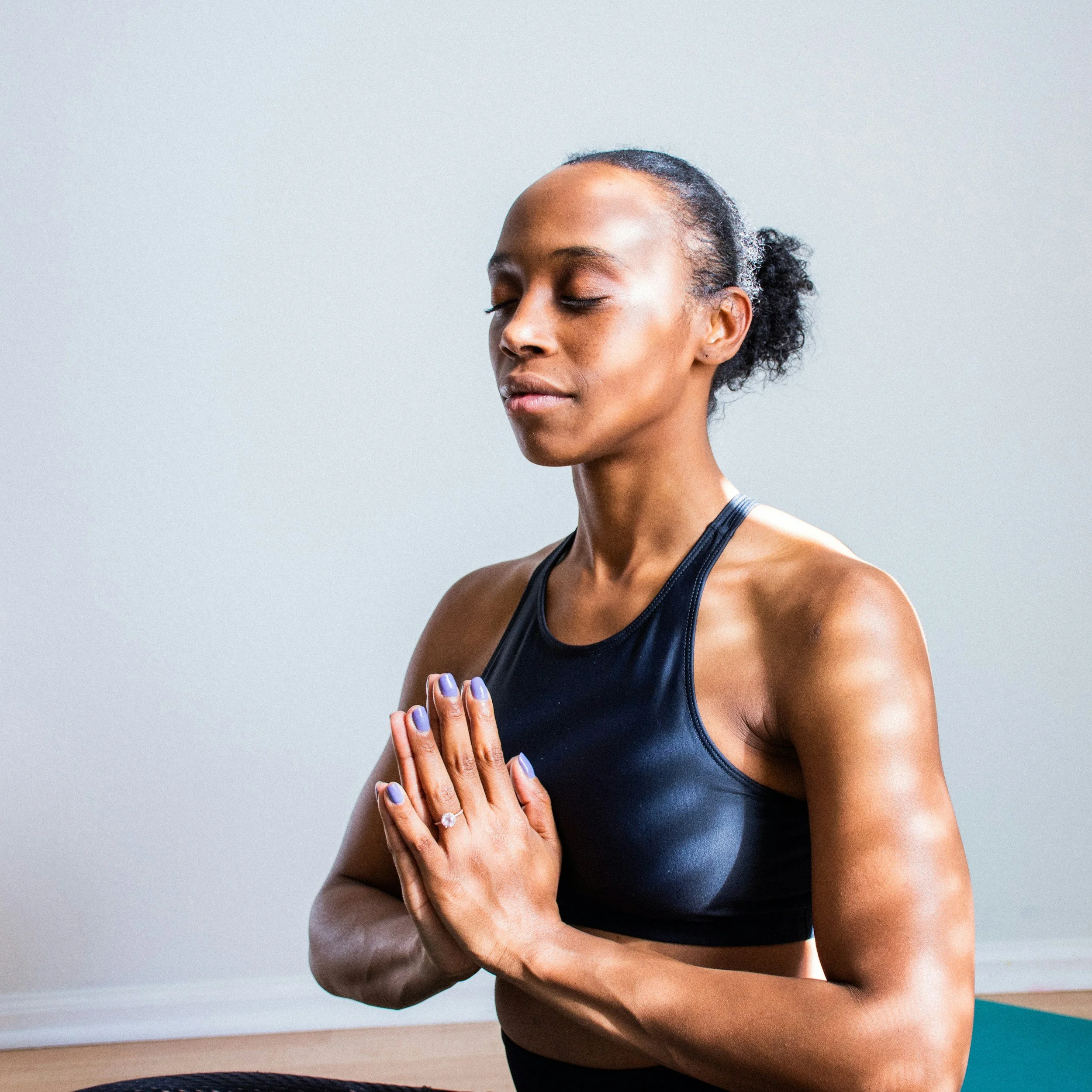
As the temperature drops and daylight hours shorten, many of us notice a natural dip in energy and motivation.
The colder months can bring physical stiffness, low mood, and an urge to slow down, all of which are normal responses to the season. But when these feelings linger, they can affect how we move, think, and feel each day.
At The Loft Clinic, we believe that intentional movement can act as medicine for both the body and mind. Whether it’s intense cardiovascular exercise, a daily walk, a yoga class, or regular chiropractic treatment to support mobility - moving well helps us navigate the challenges of winter with more ease and resilience.
The Winter Effect on Body and Mind
During winter, reduced sunlight and colder weather can have a real impact on our wellbeing. Muscles and joints may feel tighter, and circulation can slow, leaving us more prone to aches and fatigue.
On the psychological side, shorter days and time spent indoors can affect our mood, concentration, and motivation. In some cases, prolonged periods of inactivity and reduced sunlight can result in SAD (seasonal affective disorder or seasonal depression), due to a lack of socialisation, Vitamin D and reduced movement.
It’s easy to fall into patterns of inactivity, such as sitting for longer at the desk, skipping exercise to stay in the warm sanctuary of bed, or curling up on the sofa to watch feel-good seasonal films a little more often. None of these are inherently wrong, but over time this reduced movement can lead to increased stiffness, postural tension, and even lowered mood.
That’s why now, more than ever, movement matters (sorry!)
Movement as Medicine
Movement doesn’t always have to mean intense exercise. It simply means keeping the body in motion in ways that feel supportive. Small, consistent movements can improve circulation, reduce stiffness, and even boost endorphins - those natural chemicals that elevate mood, ease stress, and relieve pain.
At The Loft Clinic, our practitioners often describe movement as the bridge between physical and emotional health. When we move, we encourage better blood flow, oxygen exchange, and lymphatic drainage — all vital for reducing inflammation and supporting recovery. But we also calm the nervous system, regulate breathing, and reconnect with our bodies, helping to relieve anxiety and mental fatigue.
Movement and Mood Regulation
Our physical state is closely linked to how we feel, the body is where we deal with stresses that enter our psyche. Rhythmic movement like walking, stretching, dancing and mobility work stimulates the conversion of stress-chemicals such as cortisol, into endorphins, serotonin and dopamine which help stabilise mood and support focus (see review article published in Physical Activity and Nutrition).
A growing body of evidence supports what many of our patients experience - that movement is one of the simplest, most effective tools for improving mental wellbeing.
As we go through life, our physical and mental states become more and more linked. On days when motivation is low, it helps to think of movement as a tool for shifting emotional state rather than as another task to complete. Even small changes like standing and stretching between calls, taking a few deep breaths, or walking outdoors at lunchtime can signal to the brain that it’s safe to relax and reset.
Therapies, such as massage, osteopathy, or chiropractic care, can also support the nervous system’s regulation. By releasing muscular tension and improving circulation, they help reduce the physical “load” the body carries, which in turn lightens the mental one too.
Breaking the ‘Cycle of Misery’
At The Loft Clinic, we sometimes talk about the “cycle of misery” which is a loop many people fall into without realising. It starts with stress (physical, emotional, or mental) which can directly cause inflammatory responses and flare-ups in the body, causing pain, stiffness, lack of joint mobility, often targeting areas of previous injuries.
In response, we tend to move even less, either because we’re tired, sore, or trying to avoid aggravating the pain. But inactivity in turn reduces endorphin release, feeding the cycle: stiffness increases, circulation slows, inflammation builds, and stress levels rise again.
The good news? You can break the cycle with tailored, consistent movement and exercise, combined with hands-on support - such as chiropractic care, osteopathy or massage therapy - you can reverse the cycle of misery
More movement = more endorphins = less pain = more movement etc.
Over time, this re-establishes a sense of balance in both body and mind.
Nothing changes if nothing changes / Nothing changes if nothing changes / Nothing changes if nothing changes / Nothing changes if nothing changes / Nothing changes if nothing changes / Nothing changes if nothing changes /
Nothing changes if nothing changes / Nothing changes if nothing changes / Nothing changes if nothing changes / Nothing changes if nothing changes / Nothing changes if nothing changes / Nothing changes if nothing changes /
How The Loft Clinic Can Support You
Our team takes a holistic approach to Winter wellbeing. We recognise that when the body feels tight or fatigued, it affects how we think and function. Through hands-on assessment and treatment, education, exercise guidance, postural advice and lifestyle support, we aim to help you to find balance and mobility throughout the colder months.
Chiropractic care promotes spinal alignment and nervous system health, improving posture and resilience to stress.
Osteopathy can help improve joint mobility, blood flow, ease muscle tension, and support the body’s ability to adapt to the seasonal slowdown.
Massage therapy enhances circulation and relaxation, helping muscles recover and the mind unwind.
Many of our patients choose to combine these treatments through winter to maintain flexibility, reduce stress, and prevent discomfort before it starts.
Small, Consistent Actions Make the Biggest Difference
When it’s dark, cold, and energy feels low, it’s easy to think big changes are what’s needed. But in reality, long-term wellbeing is built on small, consistent actions. What matters most isn’t intensity, it’s regularity! So for many of us, opting for realistic consistent movement such as a short morning stretch, a lunchtime walk, or five minutes of mindful breathing before bed can make a noticeable impact. Even simple movements send powerful signals to your body; that it’s safe, supported, and capable of change.
Every movement counts. Whether that’s taking the stairs instead of the lift, doing a few shoulder rolls while the kettle boils, or stretching out before bed - these moments remind your body how to stay open and responsive. Little by little, they help ease tension, boost circulation, and rebuild trust in your body’s ability to move freely.
We call this the marginal gains approach: small, achievable changes that progress over time. Every walk, every breath, every stretch contributes to breaking the stress–pain cycle and keeping you connected to your body through the winter months.
Movement doesn’t have to be perfect. It just has to keep happening.
Stay Well This Winter
Winter naturally invites us to slow down, but slowing down doesn’t mean switching off completely. Think of it the way nature does - even hibernating animals, like bears, periodically wake, shift, stretch and reset while tucked away in their dens. Their bodies need those small movements to stay responsive, and so do ours.
The same principle applies to us through the colder months. Movement doesn’t have to be dramatic or time consuming, but simply consistent enough to remind your body how to stay mobile.
Here are some ways of moving your body that could help with this:
Walking
Dancing
Swimming
Yoga
Running
Resistance work including Weight training
HIT (high intensity training)
For every activity that you explore, start at a low level and incrementally progress. By doing this you are teaching your body to prepare for increased activity (marginal gains) whilst preventing early stages of burnout.
Winter is naturally a time for us to recover and regenerate but it doesn’t mean stopping altogether. Through mindful movement and supportive care, you can nurture both physical and mental health, building strength and calm from the inside out.
If you’d like our guidance on keeping your body moving freely this season, our team is here to help.
Take advantage of our free 15-minute spine screen to see how we can support you this Winter. Use “SPINE15” when you enquire throughout December.